Trying to choose between Aurora and Denver for your first home can feel like a tug-of-war. You want the best value for your budget, but you also care about commute time, schools, and lifestyle. In this guide, you’ll see where your dollar goes further, how daily life compares, and what to consider before you decide. Let’s dive in.
Aurora vs Denver at a glance
Citywide snapshots in early 2026 show a clear cost gap between the two. Typical Aurora home values sit in the mid $400Ks with price-per-square-foot figures often in the mid $200s. Denver’s citywide medians land roughly in the low to mid $500Ks with price-per-square-foot commonly in the low to mid $300s. The practical takeaway is simple: you usually get more space for your budget in Aurora than in Denver.
Here’s a quick take:
- Price per square foot: Aurora is typically lower, so your budget stretches further.
- Inventory pace: Both markets show moderate time on market. Speed varies a lot by neighborhood and price tier.
- Lifestyle: Aurora leans suburban with larger homes and yards. Denver offers denser, more walkable neighborhoods with urban amenities.
Home types and budgets
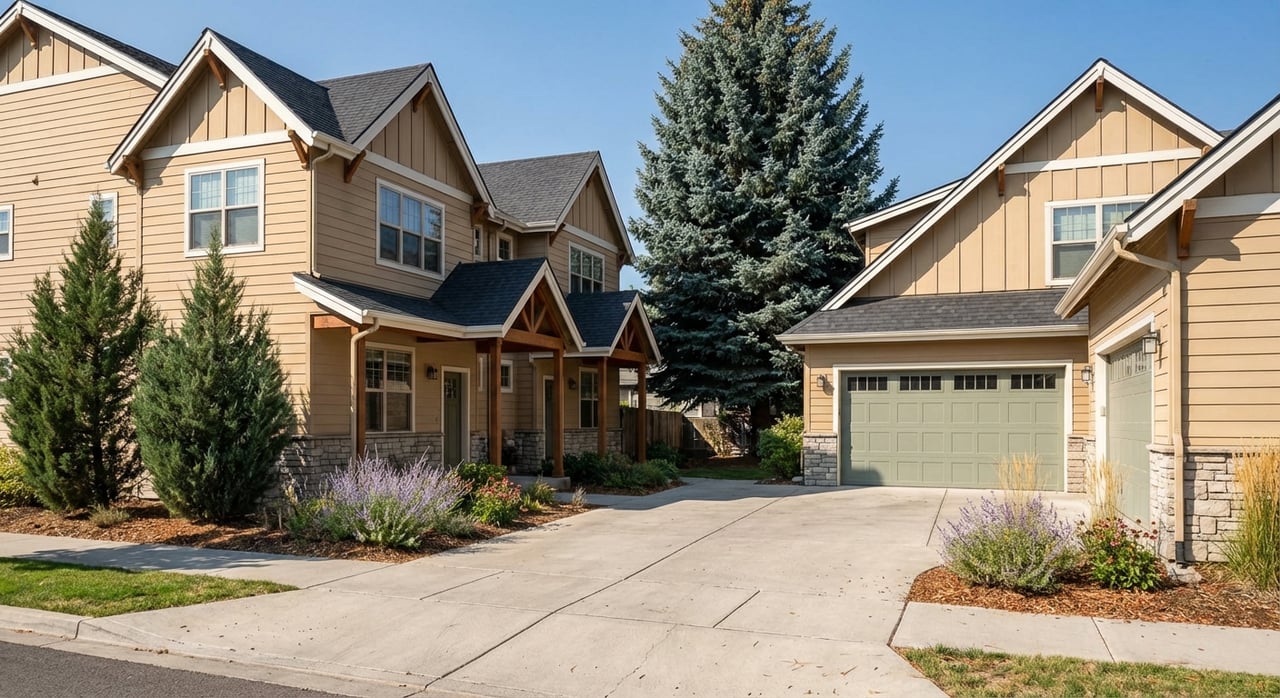
Aurora offers a broad mix of single-family homes in established and newer subdivisions, plus plenty of townhomes and condos near shopping and light rail. South and southeast Aurora along the E‑470 corridor tend to feature newer subdivisions and master-planned communities with more square footage for the cost. Closer to the I‑225 and R Line light rail corridor, you’ll see more townhomes and condos alongside older single-family options. Real-time listing trackers support that Aurora has a wide range of for-sale inventory across price bands and property types, which is helpful for first-time buyers who need options. You can review current listing trends through resources like this Aurora market dashboard for a sense of what’s active today.
- Explore current Aurora listing trends: Altos live market snapshot
Denver’s mix skews toward condos and townhomes in close-in neighborhoods like Capitol Hill, Uptown, and LoDo, with smaller-lot single-family homes in many central areas. Larger or newer single-family homes tend to be in peripheral or higher-priced neighborhoods. For first-time buyers, this often means choosing between a smaller Denver condo in a walkable area or a larger Aurora home with more room to grow.
Aurora budget examples
- Entry options: Many 1–2 bedroom condos and some townhomes often appear from the low or mid $200Ks into the $300Ks.
- Mid-range single-family: A wide band from about $350K to $550K can include family-sized homes in a variety of Aurora neighborhoods.
Denver budget examples
- Entry condos and small townhomes: Many 1–2 bedroom options appear in the low to mid $300Ks, depending on location and building.
- Entry single-family: Detached homes exist at lower price points but are often smaller, older, or in need of renovation. Citywide medians for detached homes trend higher than Aurora.
How far your budget goes
A quick yardstick based on citywide ranges: if you budget around $500,000, Aurora’s lower price-per-square-foot can translate to roughly 1.8x more space compared with higher-cost neighborhoods in Denver. In practice, that difference could look like a newer 3–4 bedroom home in southeast Aurora compared with a smaller condo or a compact older single-family in a central Denver area. Use this as a starting point, then compare actual listings side by side as you refine neighborhoods.
Commutes and transit
Average one-way commute times are similar, with Aurora around 28 to 29 minutes and Denver around 25 minutes based on federal estimates. That small difference reflects Aurora’s more suburban layout and longer trips to some core job centers. Your personal commute depends on your neighborhood and whether you plan to drive or use rail.
- View Aurora commute data: U.S. Census QuickFacts for Aurora
- View Denver commute data: U.S. Census QuickFacts for Denver
Rail and airport access
Aurora is served by RTD’s R Line along the I‑225 corridor and connects to the A Line to downtown and Denver International Airport at Peoria Station. If you plan to use rail, homes near these stations can simplify your commute to the Anschutz Medical Campus, downtown, or DIA. Learn more about stations and service on the city’s rail page.
- Aurora rail overview: City of Aurora rail information
If you drive, Aurora’s location along I‑70, I‑225, and the E‑470 beltway makes highway access a strong selling point and provides quick routes to the airport. That same proximity means some areas may experience aircraft noise, which you can evaluate during showings and inspections.
- Regional context: Aurora overview with airport proximity
Schools and boundaries
School districts do not follow city borders, so always confirm the assigned schools for any property you consider. Much of Aurora is served by Aurora Public Schools, while many neighborhoods in south Aurora are in the Cherry Creek School District. Denver homes typically fall under Denver Public Schools. Boundaries can change over time, and many districts offer school choice and magnet programs, so verify details before you write an offer.
- District resources: Aurora Public Schools, Cherry Creek Schools, and Denver Public Schools
- Statewide data: Review school and district outcomes on Colorado Department of Education’s SchoolView
Use neutral, data-based sources to compare options. District and school report cards, tours, and conversations with school administrators can help you align a home search with your education goals.
Lifestyle tradeoffs
If you prefer walkable streets, dense restaurant choices, and quick access to downtown cultural venues, Denver’s central neighborhoods usually deliver more of that day-to-day convenience. City-level comparisons regularly show Denver with higher walkability and transit access than most of Aurora’s neighborhoods. If you value larger yards, quiet streets, and quick access to regional parks and lakes, Aurora stands out with places like Aurora Reservoir, Sand Creek Greenway, and the Plains Conservation Center.
- Walkability context: Cost of living and city-life tradeoffs in Denver
Neither choice is “better” across the board. The right fit depends on how you weigh space, commute, and lifestyle. Many first-time buyers who expect to work from home part of the week find Aurora’s extra square footage and dedicated office space compelling. Others who rely on frequent nights downtown value a Denver address.
First-time buyer checklist
Use this quick plan to compare Aurora and Denver in a clear, apples-to-apples way.
- Define your must-haves
- List top three priorities: price, space, commute, or lifestyle. Rank them.
- Measure space per dollar
- Compare price-per-square-foot across shortlists. Use a simple estimate: budget divided by $/ft² equals rough square footage, then ground it with real listings you like.
- Map your commute
- Pull typical rush-hour travel times for two Aurora neighborhoods and two Denver neighborhoods to your workplace. Cross-check with rail availability where relevant.
- Commute data sources: Aurora QuickFacts and Denver QuickFacts
- Confirm school boundaries early
- Verify the assigned schools on district sites for each property address and review state data for context: APS, Cherry Creek Schools, DPS, and CDE SchoolView.
- Choose your property type
- Condos and townhomes can lower entry costs but come with HOA fees. Single-family homes may cost more upfront but offer yards, privacy, and flexibility.
- Walkability vs space
- If walkable amenities and transit access are top priority, focus on Denver’s central neighborhoods. If you want more bedrooms, a yard, or a newer home feel, target southeast Aurora and the E‑470 corridor.
- Watch real-time market signals
- Track active inventory and days on market in your target areas to time your offers strategically. See an Aurora snapshot here: Altos live market trends.
How we help first-time buyers
Your first home is a big step, and the details matter. You deserve local advice that turns market data into a confident decision. As a longtime southeast Aurora resident and second-generation real estate professional, I guide you through the full journey: budget planning, neighborhood shortlists, on-the-ground tours, school boundary verification, and smart negotiation when you find the one.
If you are comparing Southshore, Tallyn’s Reach, Copperleaf, and Conservatory against Denver options, we will build a side-by-side plan that shows space, commute, and lifestyle differences clearly. You will get a personalized search, timely alerts, and a step-by-step offer strategy designed for today’s market conditions.
Ready to explore homes and compare neighborhoods with local insight you can trust? Let’s talk about your goals and create a plan that fits your life. Connect with Heather Christensen to get started.
FAQs
What makes Aurora more affordable than Denver for first-time buyers?
- Citywide snapshots show lower median prices and price per square foot in Aurora compared with Denver, which typically means more space for the same budget.
How do commute times compare between Aurora and Denver citywide?
- Federal estimates show Aurora’s average one-way commute at about 28 to 29 minutes and Denver around 25 minutes, though actual times depend on neighborhood and route.
Which school districts serve homes in Aurora and Denver?
- Aurora addresses can fall under Aurora Public Schools or Cherry Creek Schools, while Denver homes are generally served by Denver Public Schools; always verify boundaries for each property.
Is a condo, townhome, or single-family home better for a first home in this area?
- Condos and townhomes can reduce entry costs but add HOA fees and rules; single-family homes cost more upfront but offer yard space and flexibility, so the best fit depends on your budget and lifestyle.
How close is Aurora to Denver International Airport and major highways?
- Aurora has strong highway access via I‑70, I‑225, and E‑470 and offers convenient routes to DIA; proximity can be a plus for travel and a factor to consider for potential aircraft noise.