Remote work changed what a great home looks like. If you are shopping in Denver, your ideal setup may have less to do with a daily commute and more to do with space, light, privacy, and how easily you can step out for a walk or a quick errand between meetings. The good news is that Denver offers several strong options for remote and hybrid workers, and this guide will help you match your work style to the right type of home. Let’s dive in.
Why Denver works for remote workers
Remote and hybrid work are still shaping how people choose where to live. The U.S. Census Bureau reported that home-based work grew from 5.7% of workers in 2019 to 17.9% in 2021, and the Denver-Aurora-Lakewood metro area reached 25.3% in that metro-area comparison.
That matters because Denver is not just a place for commuters anymore. It is a market where many buyers are weighing home office space, neighborhood convenience, and lifestyle access just as much as drive time.
Denver also gives you more variety than many people expect. The city says downtown is a central neighborhood and major economic and cultural hub, and nearly 10,000 housing units have been added in the core over the past 20 years. That growth supports a true live-work environment, not just a traditional office district.
Best home types for remote work
Downtown condos and lofts
If you want low maintenance and easy access to daily amenities, a downtown condo or loft may be your best fit. Denver’s planning framework describes downtown as mixed use, the highest density area, and a major transit hub, with LoDo combining housing, retail, office, and entertainment uses.
For remote workers, that often means you can live close to errands, restaurants, and transit without needing a large footprint. Many downtown buildings also offer the lock-and-leave convenience that appeals if you travel, work hybrid hours, or prefer less upkeep.
The tradeoff is usually space. Compared with a townhome or detached home, you may have less room for a fully separate office, less storage, and fewer options for quiet separation during the workday.
Townhomes and inner-city houses
Townhomes and single-family homes in Denver’s more urban neighborhoods can offer a strong middle ground. The city distinguishes between areas that are multi-family and connected to main streets, and areas that are more single-family in character while still linked to transit and neighborhood services.
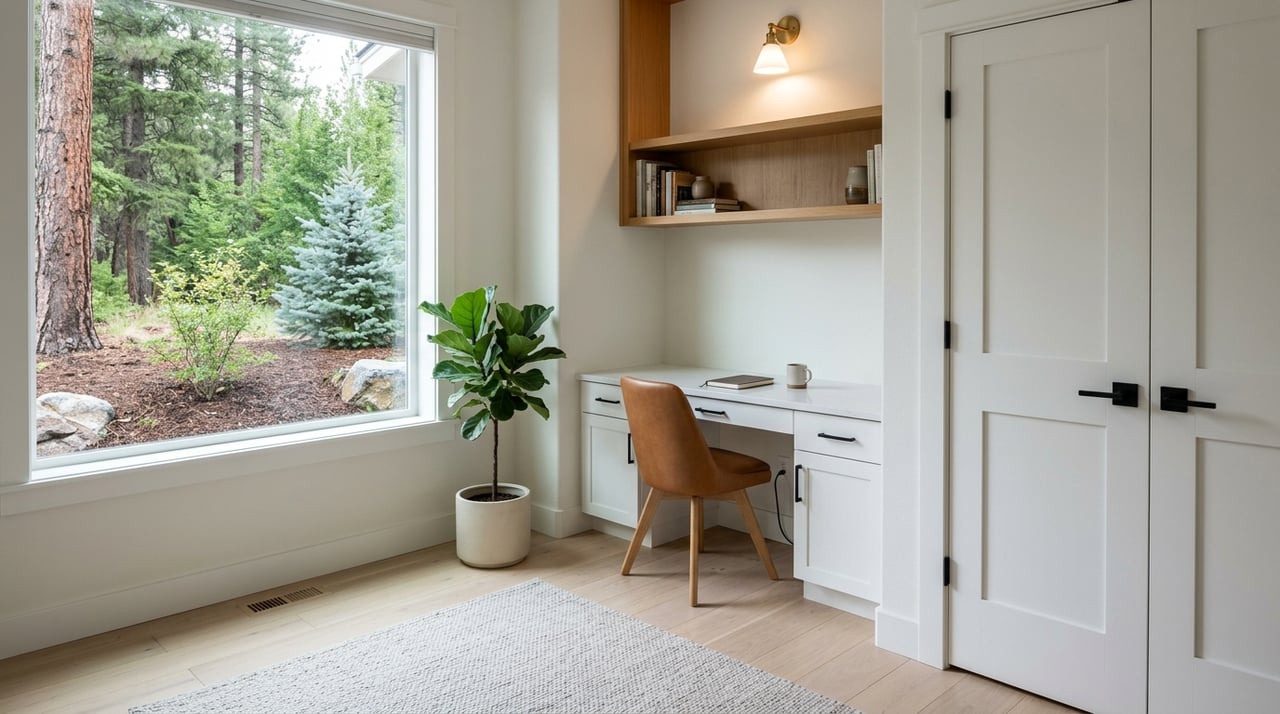
In practical terms, this can mean more flexibility for your work-from-home setup without giving up everyday convenience. You may be able to carve out a real office, use a second bedroom, or create better separation between your work zone and living space.
This option often works well if you want a balance of privacy and accessibility. You can stay close to parks, coffee spots, and errands while gaining more breathing room than you would likely get in a downtown condo.
Outlying neighborhoods and suburban-style homes
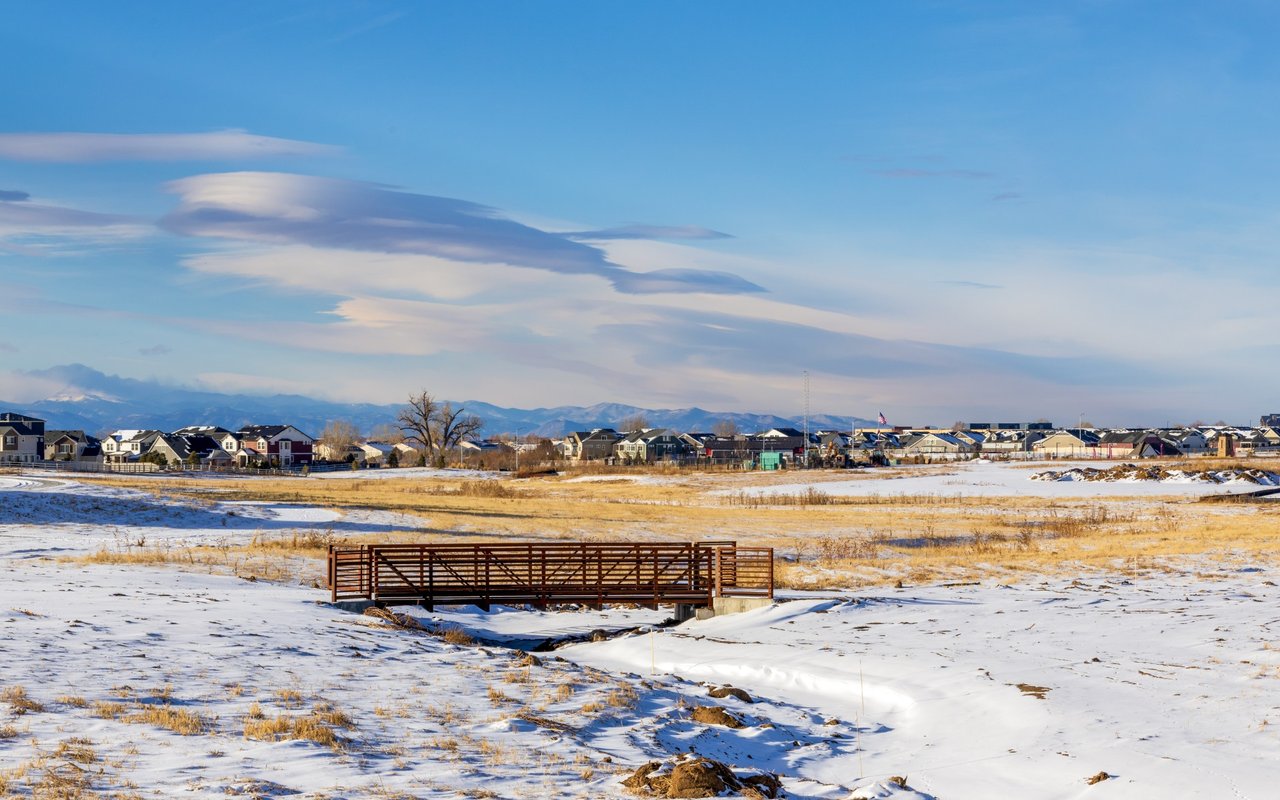
If your top priority is space, quiet, and flexibility, homes in outlying Denver neighborhoods or nearby suburban areas may be the strongest match. Denver’s planning framework describes suburban areas as places with town centers, community open spaces, and residential neighborhoods.
For many remote workers, that translates into more square footage, more parking, and more privacy. It can also mean easier access to a dedicated office, a finished basement workspace, or room for two people to work from home at the same time.
The tradeoff is usually walkability. You may have fewer daily destinations within a short walk, and your errands may rely more on driving than they would in downtown or mixed-use areas.
How to choose the right fit
The best Denver home for remote work depends on how you actually spend your week. If you only go into an office once in a while and want easy transit access, a condo or loft near downtown may make more sense than a larger home farther out.
If your workday includes back-to-back calls, focused desk time, or multiple people working from home, extra square footage can quickly become more important. In that case, a townhome or detached home may support your routine better.
A helpful way to decide is to rank your top three priorities. Most buyers land somewhere between these factors:
- Walkability and low maintenance
- Space and privacy
- Transit access for hybrid commuting
- Storage and parking
- Easy access to parks and trails
- Room for a dedicated office or second workstation
Features remote workers should prioritize
Not every extra room works equally well as a home office. When you tour homes in Denver, it helps to look beyond square footage and think about how the space functions from morning to evening.
Here are some of the most practical features to watch for:
- A dedicated office or enclosed work area
- A second bedroom, loft, or finished basement for another workstation
- Separation between work and living areas to help reduce noise
- Good natural light for long workdays
- Storage for files, printers, and equipment
- Reliable internet service at the property level
- Outdoor space or nearby park access for breaks
- Parking or garage access if you commute occasionally
These features matter because remote work is not just about where you place a desk. It is about how well your home supports focus, comfort, and daily routines over time.
Why lifestyle matters in Denver
A strong remote-work setup is about more than your walls. It is also about what you can do before work, after work, and during the middle of the day when you need a reset.
Denver has a wide range of parks and outdoor options built into everyday life. The city says Denver has more than 280 urban parks, more than 90 miles of off-street multi-use trails, 30 recreation centers, and 32 pools, plus a mountain park system spanning 14,000 acres with 22 accessible parks and 24 conservation areas.
For remote workers, that can make a real difference. A lunch-break walk, a quick dog outing, or a short trail run can help break up long hours at home and make your neighborhood feel more supportive of your routine.
Downtown access for hybrid workers
If you work from home most days but still head into the office now and then, transit access can be a major plus. RTD says Union Station is the region’s intermodal hub, serving light rail, commuter rail, Amtrak, regional buses, shuttles, taxis, and bicycle and pedestrian connections.
The station also connects to 14 bus routes and 6 rail lines. Within downtown, the free 16th Street FreeRide connects Union Station to Wade Blank Civic Center Station every 4 to 12 minutes depending on the time of day, and Free MetroRide adds another free downtown option during weekday commute windows.
That makes downtown and nearby areas especially appealing if your commute is occasional rather than daily. You can keep access to the city core without organizing your whole housing search around a five-day office schedule.
Mixed-use areas and daily convenience
Remote workers often want something simple but important: the ability to step out for coffee, lunch, or a quick errand without a big time commitment. In Denver, mixed-use areas are often the clearest match for that lifestyle.
The city’s planning approach ties downtown and general urban areas to multi-use blocks, main streets, and corner stores. In LoDo, ground-floor retail and restaurant uses are part of how the district functions day to day.
That does not mean every remote worker should live downtown. It does mean that if convenience, short outings, and an active neighborhood feel are high on your list, mixed-use parts of Denver deserve a close look.
Matching your work style to Denver
Denver is not one uniform market, and that is actually a plus. You can choose a home that supports the way you work instead of trying to force your routine into a one-size-fits-all location.
If you want a low-maintenance home with strong transit access and easy errands, downtown condos and lofts may be the best option. If you want a better balance of space and city convenience, townhomes and inner-city houses often hit the sweet spot.
If privacy, quiet, and flexibility matter most, outlying neighborhoods and suburban-style homes may give you the setup you need. The key is to be honest about your day-to-day habits, not just your wish list.
As you narrow your search, it helps to look at homes through the lens of your actual work life. A beautiful property can still be the wrong fit if there is no real office space, too much noise, or not enough separation between work and home.
When you are ready to find a Denver-area home that fits both your lifestyle and your work routine, Heather Christensen can help you compare neighborhoods, home types, and practical tradeoffs with a local, client-first approach.
FAQs
What type of Denver home is best for remote workers?
- The best fit depends on your routine. Downtown condos and lofts are often best for walkability and transit, while townhomes and detached homes are often better for space, privacy, and office flexibility.
Are downtown Denver condos good for hybrid workers?
- Yes, they can be a strong option if you want low maintenance and easy access to Union Station, downtown transit connections, and mixed-use amenities for occasional office trips.
What home features should Denver remote workers look for?
- Focus on a dedicated office or enclosed workspace, separation from living areas, natural light, storage, reliable internet service, outdoor access, and parking if you commute sometimes.
Why do parks and trails matter for Denver remote workers?
- Parks and trails can make work-from-home life more manageable by giving you easy options for breaks, exercise, and outdoor time during or after the workday.
Are larger homes outside downtown better for working from home in Denver?
- They can be, especially if you need more square footage, quieter surroundings, parking, or space for two workstations. The tradeoff is usually less walkability and fewer destinations close by.
How can you choose between walkability and space in Denver?
- Start by ranking your priorities, such as office space, transit access, privacy, storage, and nearby amenities. That makes it easier to match your work style to the right part of the metro.