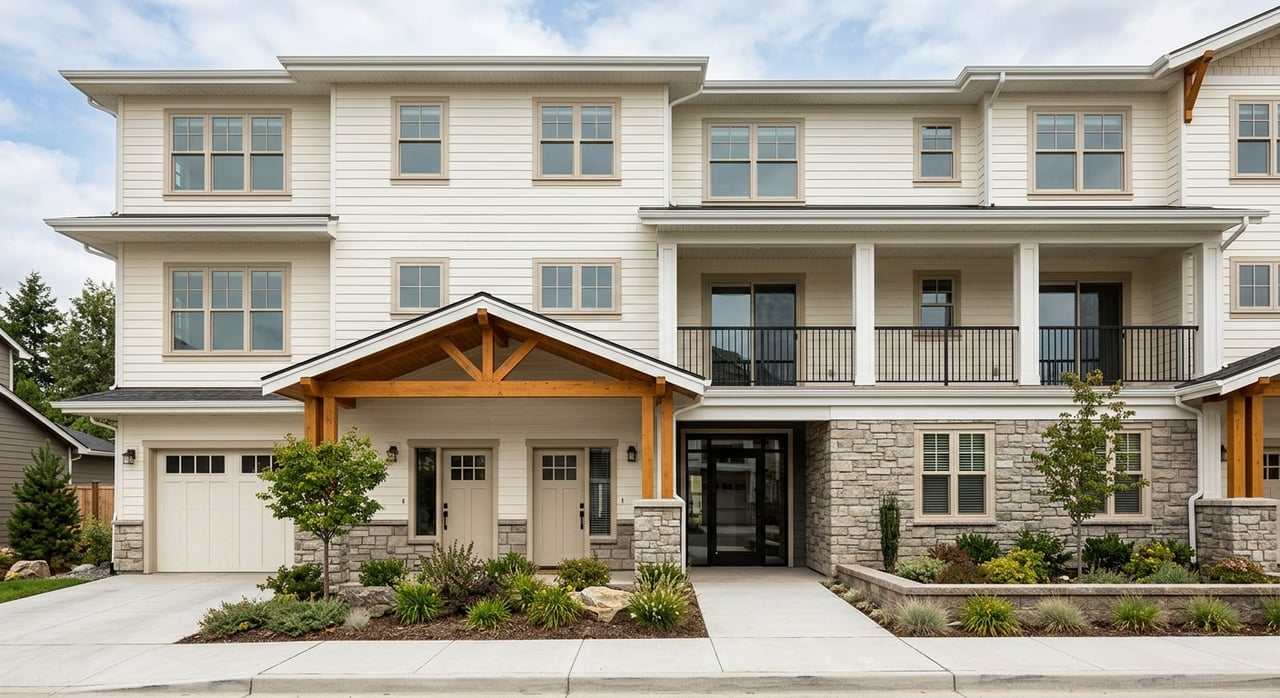
Trying to choose between a Denver townhome and a condo? You are not alone. Many buyers start with the look of the home, then realize the bigger question is what you actually own, what the HOA handles, and how that affects your budget and daily life. If you want a clearer way to compare your options in Denver, this guide will help you focus on the details that matter most. Let’s dive in.
Start With Ownership
The most important difference between a condo and a townhome is not always the exterior style. In Colorado, a condominium is a legal form of ownership where part of the property is owned individually and the rest is owned in common by the unit owners. That means a home can look like a townhouse and still legally be a condo.
This is why the MLS label alone does not tell the full story. Colorado real estate guidance makes it clear that buyers should review the governing and financial documents carefully, because there is no central repository for HOA documents. In practice, that means you need to confirm what is actually included with the home and what is shared.
Why the HOA Matters Most
For many Denver buyers, the real decision comes down to the HOA. The association often shapes your monthly costs, your responsibilities, and your day-to-day experience more than the words “condo” or “townhome” ever will.
Under Colorado law, unless the declaration says otherwise, the association is generally responsible for maintaining, repairing, and replacing common elements. The owner is generally responsible for maintaining the unit itself. That is why two homes that look similar can come with very different upkeep expectations.
What HOA Dues May Cover
HOA dues can vary a lot depending on the community. In some properties, dues may cover exterior maintenance, landscaping, insurance for common elements, and other shared services. In others, the list may be much shorter.
You should also remember that dues are only part of the picture. Colorado guidance notes that special assessments can happen when regular dues are not enough. Reviewing recent meeting minutes can help you spot whether major repairs or added costs are already being discussed.
Rules Matter Too
Restrictions can affect how comfortable you feel in a community. Colorado guidance notes that most associations have restrictive covenants, and some may enforce limits on things like leasing if the declaration allows it.
That does not mean one option is better than the other. It means you should read the rules closely and make sure the community fits how you plan to live in the home.
Parking Can Be a Big Factor
Parking is one of the easiest details to overlook and one of the most important to verify. Colorado guidance says HOAs may regulate parking on private roads within the association, but not on public rights-of-way.
If you have more than one vehicle, need guest parking, or want a garage or deeded space, ask very specific questions. Do not assume the term condo or townhome tells you how parking works in that community.
Denver Lifestyle Differences
Many buyers think of condos as the lower-maintenance option and townhomes as the more house-like attached option. That can be a useful starting point, but it is still only a starting point.
Townhomes are often described as side-by-side units with their own exterior doors. Condos are often associated with shared areas and stronger association oversight for upkeep. Still, your real experience will depend on the specific community, the declaration, and what the HOA handles.
A Condo May Fit You If
A condo may be the better fit if you want:
- A lower entry price compared with many Denver townhomes
- Less day-to-day exterior upkeep
- A simpler lock-and-leave lifestyle
- Access to a central location that might be out of reach in another property type
A Townhome May Fit You If
A townhome may be worth a closer look if you want:
- A more house-like layout
- A separate exterior entrance
- More room for storage or a garage, depending on the community
- A property type that may align more closely with citywide home values in certain areas
Denver Price Patterns Right Now
Current Denver listing data shows a noticeable price gap between condos and townhomes. Redfin’s Denver pages show 1,556 condos for sale with a median listing price of $319,000, compared with 808 townhouses for sale at a median listing price of $625,000.
There is also a difference in pace. Condos are sitting around 73 days on market, while townhouses are around 51 days. That suggests townhomes are currently priced higher and moving a bit faster.
This matters if you are balancing budget, competition, and monthly ownership costs. Zillow reports Denver’s average home value at $541,899 and median sale price at $558,667, which puts many condos below the broader city market and many townhomes closer to or above it depending on location and condition.
Location Can Change Everything
In Denver, price and property type are closely tied to neighborhood. Popular condo areas include Washington Park, LoHi, Park Hill, Central Park, Congress Park, Platt Park, Lowry, Cherry Creek, Hilltop, and Capitol Hill. Popular townhouse areas include Washington Park, Central Park, Platt Park, Cherry Creek, and Hilltop.
That overlap tells you something important. Buyers are often choosing between property types within the same general areas, not choosing one property type in one area and a completely different lifestyle somewhere else.
Downtown adds another wrinkle. Redfin’s current Downtown Denver townhouse listings show only two homes with a median list price of $845,000, while the Downtown Denver median home sale price is about $590,000. That points to a strong location premium in central, walkable areas.
Look Beyond the Label
Denver listing samples show a very wide range in both categories. Current condo examples on Denver pages range from about $149,900 to $499,000 on the first page, while townhome samples range from about $270,000 to $1.095 million.
That spread is a good reminder that the condo-versus-townhome label is only one part of the decision. Neighborhood, age, finishes, and HOA structure can matter just as much.
Questions To Ask Before You Buy
If you want to compare a Denver condo and townhome the right way, ask these questions before you get attached to a listing:
- What do I legally own?
- What does the HOA maintain?
- What do the monthly dues cover?
- Are there recent or possible special assessments?
- What rules apply to leasing, parking, and property use?
- Is parking deeded, assigned, private, or first-come first-served?
- How does the total monthly cost compare after dues and maintenance?
- Does the location justify the price premium for my goals?
A Simple Way To Decide
If you feel stuck, focus on four things. How much HOA control you are comfortable with, how much upkeep you want to outsource, whether parking works for your daily life, and whether the neighborhood is worth the tradeoff.
That framework is often more useful than asking whether townhomes are “better” than condos. In Denver, the right answer is usually the home that best matches your budget, ownership preferences, and lifestyle priorities.
When you are comparing attached homes, the details matter. A well-reviewed condo with clear documents and manageable dues may be a stronger fit than a townhome with higher costs and unclear maintenance lines. On the other hand, a townhome with the layout and parking you need may be worth the extra investment.
If you want help sorting through Denver condos and townhomes with a local, practical lens, Heather Christensen can help you compare the numbers, the documents, and the neighborhood tradeoffs so you can move forward with confidence.
FAQs
What is the main difference between a Denver condo and townhome?
- In Denver, the biggest difference is often the legal ownership structure and HOA responsibilities, not just how the property looks from the outside.
Are Denver condos cheaper than townhomes?
- Current Denver listing data shows condos at a median listing price of $319,000 and townhouses at a median listing price of $625,000, so condos are often the lower entry point.
Do Denver townhomes always have lower HOA involvement than condos?
- No. HOA responsibilities depend on the specific community documents, so a townhome can still come with significant HOA oversight and shared maintenance.
What Denver buyers should review in HOA documents?
- You should review governing documents, financial documents, dues, maintenance responsibilities, meeting minutes, and any rules that affect parking, leasing, or property use.
Is parking different for Denver condos and townhomes?
- It can be. Parking varies by community, so you should confirm whether spaces are deeded, assigned, garage-based, or regulated by HOA rules on private roads.
Do Denver neighborhoods affect condo and townhome prices?
- Yes. Current listing patterns show strong overlap in popular neighborhoods, and central areas such as Downtown and Cherry Creek can carry a noticeable location premium.