Looking for a community where the trail by your back gate can shape your daily routine? If you’re eyeing Littleton for its open spaces, river corridor, and sunny backyard potential, you’re in the right place. You want the inside scoop on where people actually run, ride, paddle, and relax, plus how patios and low‑maintenance landscaping can make everyday life easier. In this guide, you’ll see how Littleton’s outdoor network works, what yard features hold up to the local climate, and how amenities can influence long‑term value. Let’s dive in.
Why Littleton is built for outdoor living
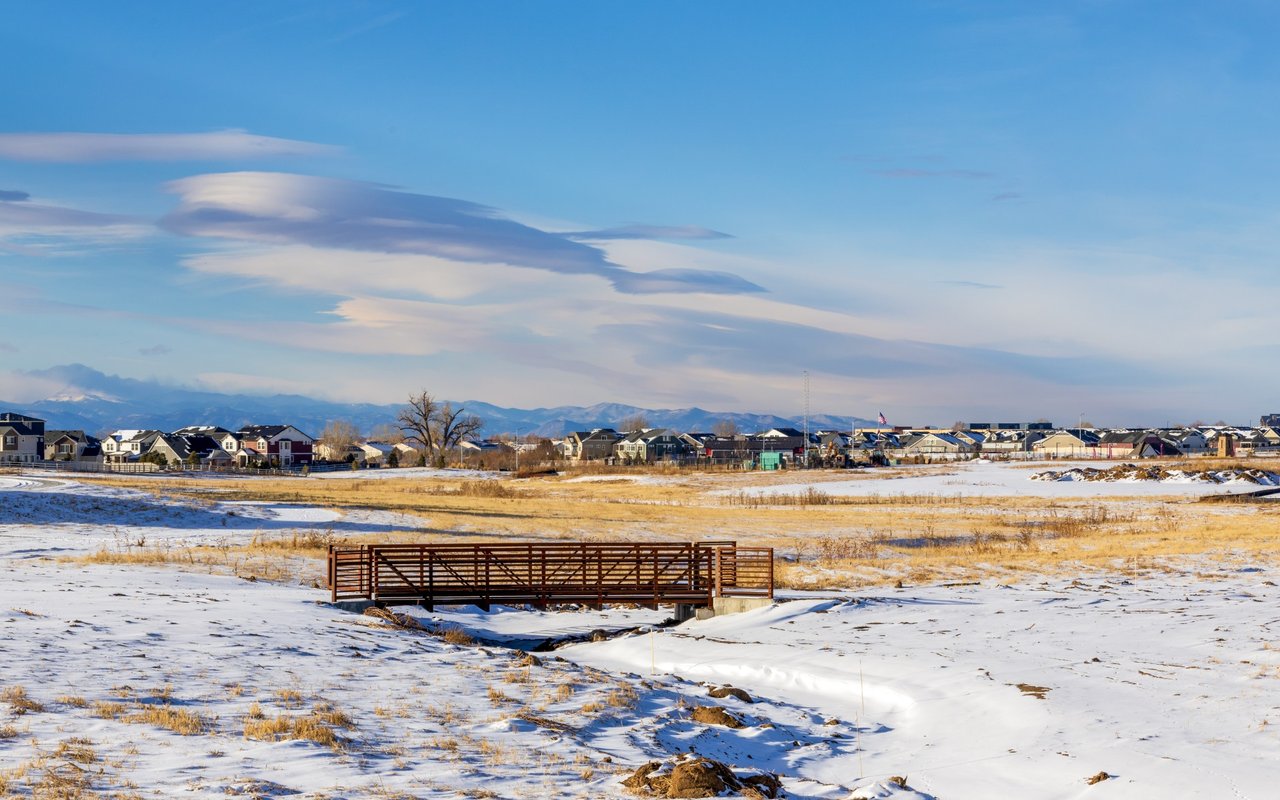
Littleton sits in a semi‑arid Front Range climate with four distinct seasons. Summers are hot and dry with plenty of sun. Winters bring cold snaps and periodic snow but relatively low humidity. That means you can use outdoor spaces much of the year if you plan for heat, sun, and freeze‑thaw cycles.
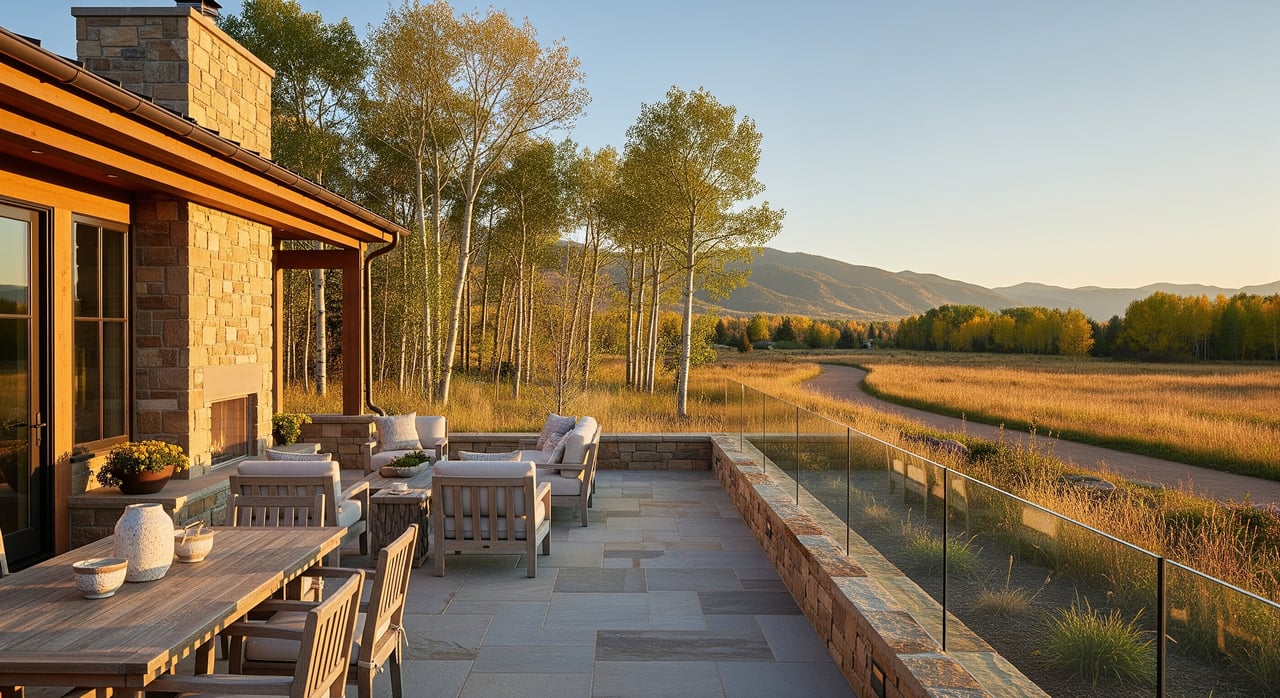
Smart design choices go a long way. Covered patios or pergolas help with shade. Durable, frost‑resistant surfaces keep patios looking good after snow melt. Fire pits, heaters, or three‑season enclosures extend use into spring and fall. Drought‑tolerant plants and smart irrigation help you stay water‑wise while still enjoying a green, livable yard.
Trails and open spaces you’ll use
South Platte River and Mary Carter Greenway
The South Platte River corridor runs right through Littleton with a continuous multi‑use trail known as the Mary Carter Greenway. You can walk, run, or bike on paved paths that connect parks, schools, and several neighborhoods. For many families, this becomes the everyday loop for morning runs, after‑school rides, and weekend picnics.
High Line Canal Trail
The High Line Canal Trail is a regional favorite that stretches for about 71 miles across the southeast suburbs. Littleton‑area access points make it easy to plan long rides and family outings on a mostly gentle, low‑stress path. If you like big mileage without busy streets, the canal is a go‑to.
Clement Park and municipal parks
Clement Park and other nearby community parks offer playgrounds, ballfields, picnic areas, and trail connections. You’ll also find seasonal programming and space for youth sports, which adds convenience for busy families who want to stay close to home while keeping kids active.
Hudson Gardens
Hudson Gardens sits along the South Platte and offers a botanical garden setting for strolling and community events. It’s a calm place to wander with out‑of‑town guests and a nice change of pace from busier parks and trails.
Chatfield and Roxborough State Parks
Chatfield State Park is a short drive from Littleton and anchors a huge recreation area with a reservoir for boating, plus miles of biking and walking trails. Nearby Roxborough State Park adds dramatic red rock scenery and hiking options. Together they expand your weekend playbook without a long commute to the foothills.
Neighborhood access and lifestyle tradeoffs
Riverfront and greenway areas
Homes near the South Platte River corridor and Mary Carter Greenway offer quick trail access, scenic views, and simple daily routines built around walking and biking. If your priority is to lace up and go without driving, start your search near these links.
Communities near parks
Neighborhoods close to community parks, including those around Clement Park, work well for families who want playgrounds, sports fields, and open lawns within an easy walk. The convenience shows up in your weekly schedule, from youth sports to lazy Sunday picnics.
Near Chatfield and lake access
Areas close to Chatfield State Park appeal to boaters, mountain bikers, and anyone who wants larger open‑space access nearby. If weekend recreation is your driver, proximity to the state park can be a deciding factor.
Newer infill and planned developments
Newer neighborhoods often include internal sidewalks, pocket parks, and designated bike links. You might trade larger lot sizes for built‑in walkability and smoother connections to trails.
Commuting considerations
Trail proximity improves walkability inside the neighborhood, but it doesn’t always shorten the drive to downtown Denver or the Tech Center. The South Platte and High Line Canal offer long, low‑traffic bike corridors to local destinations, though connectivity to regional lanes and transit varies by area. Weigh your daily commute against weekend and after‑work recreation to find the right balance.
Backyard features that work in Littleton
Shade and shelter
- Covered patios or pergolas for summer sun and shoulder season comfort.
- Three‑season enclosures or retractable screens to block wind and extend patio use.
- Durable deck materials and frost‑resistant pavers to handle freeze‑thaw cycles.
Cooking and gathering
- Outdoor kitchens or built‑in grills for easy entertaining and weekday dinners.
- Defined dining zones with composite or stone surfaces that clean up fast.
- Fire pits, fireplaces, or patio heaters to make cool evenings more inviting.
Low‑maintenance, water‑wise landscaping
- Native and xeric plantings that thrive in semi‑arid conditions.
- Drip or micro‑irrigation with smart controllers and rain sensors.
- Hardscape accents to reduce turf and mowing without losing usable space.
Lighting, privacy, and play
- Path and task lighting for safety and ambiance.
- Privacy elements like fencing, trellises, or strategic plantings.
- Multi‑use areas with a small lawn or artificial turf for kids and pets.
Design tips for year‑round comfort
Start by studying your site. Note sun exposure and prevailing winds, then place shade structures, seating, and wind breaks accordingly. If snow drifts in a corner, avoid locating a grill or dining table there. Choose materials that shed water, resist freeze‑thaw stress, and won’t become slick with ice.
Plan utilities early if you want a gas grill line, outdoor sink, or lighting. That helps you avoid tearing up finished patios later. If you like flexibility, consider modular features like movable heaters or portable shade sails so you can adapt as seasons change.
How outdoor features influence value
Well‑designed outdoor spaces usually improve day‑to‑day enjoyment and overall marketability. In Littleton, proximity to parks and trails is widely viewed as a positive. Homes with usable, attractive backyards often appeal to more buyers, which can support stronger interest when it is time to sell.
The dollar impact varies by neighborhood, distance to amenities, and any tradeoffs like trailhead parking or noise. Some research and market analyses document premiums for adjacency to parks or trail views. For a specific estimate, local MLS comparisons in your target neighborhood are the best guide.
Cost vs. return
Basic improvements like a covered patio, thoughtful lighting, and water‑wise landscaping often punch above their cost in terms of enjoyment and market appeal. Luxury outdoor kitchens or extensive hardscapes can set your home apart but may not recoup every dollar in resale. If you plan to stay for years, weigh personal enjoyment alongside return.
Risks and practical considerations
- Popular trailheads can bring parking and privacy concerns to nearby homes.
- HOA rules may limit visible additions, materials, or fence heights.
- Complex irrigation systems, water features, and specialty plantings can add ongoing maintenance costs.
Permits, HOAs, and your project plan
In the City of Littleton, permits are typically required for substantial patio covers, deck expansions, permanent outdoor kitchens, and any electrical, gas, or plumbing work. If you are in an unincorporated area of Arapahoe County, contact the county building department for requirements. In planned communities, review HOA covenants and any architectural approval steps before you design.
A simple project checklist:
- Confirm city or county permitting for your address and project scope.
- Review HOA rules on structures, materials, fencing, and landscaping.
- Order utility locates and verify easements before digging or planting.
- Choose durable materials suited to freeze‑thaw cycles and sun exposure.
- Prioritize water‑wise design with native plants and drip irrigation.
- Get bids from local landscape and patio contractors familiar with Front Range conditions.
- Plan lighting, heating, and gas lines early to avoid rework.
Quick neighborhood checklist for active living
Use this when touring homes:
- How many minutes to the nearest multi‑use trailhead on foot or by bike?
- Is there a neighborhood park, playground, or open lawn within a short walk?
- Are sidewalks continuous, with safe crossings or underpasses where needed?
- Are key trails and sidewalks maintained for snow and ice in winter?
- What variety of recreation is nearby, like dog parks or family‑friendly bike routes?
- Do trailheads or sports fields create parking or noise near the property?
Make Littleton outdoor living work for you
Littleton gives you a strong starting point with its river corridor, regional trail access, and parks network. When you combine that with a backyard built for shade, low water use, and year‑round comfort, you get a daily lifestyle that feels easy and connected. Whether you are relocating or moving up, the right neighborhood plus the right outdoor features can make your home a better match today and a more marketable property down the road.
If you want neighborhood‑level guidance on trail access, HOA rules, project permitting, and which outdoor features resonate with buyers in your price point, connect with Heather Christensen. You will get responsive, local expertise for Littleton and nearby southeast metro communities.
FAQs
Which Littleton neighborhoods offer the best everyday trail access?
- Look near the South Platte River corridor and Mary Carter Greenway, plus areas with short walks to community parks or established connections to the High Line Canal Trail.
Do outdoor features add resale value in Littleton?
- They typically improve marketability and buyer appeal; the dollar impact varies by neighborhood, distance to amenities, and design quality, so check local MLS comparisons.
What permits do I need for a covered patio or outdoor kitchen in Littleton?
- Expect permits for permanent structures and any gas, water, or electrical work; contact the City of Littleton or Arapahoe County building department based on your address.
How can I design a water‑wise, low‑maintenance backyard in Littleton’s climate?
- Use native and drought‑tolerant plants, drip or micro‑irrigation with smart controllers, and durable hardscapes that reduce turf while staying functional for kids and pets.
Are there downsides to living next to a popular trail or park in Littleton?
- Trailheads and busy fields can bring parking and noise; lot orientation and a bit of distance often reduce those effects, so evaluate the property at different times of day.