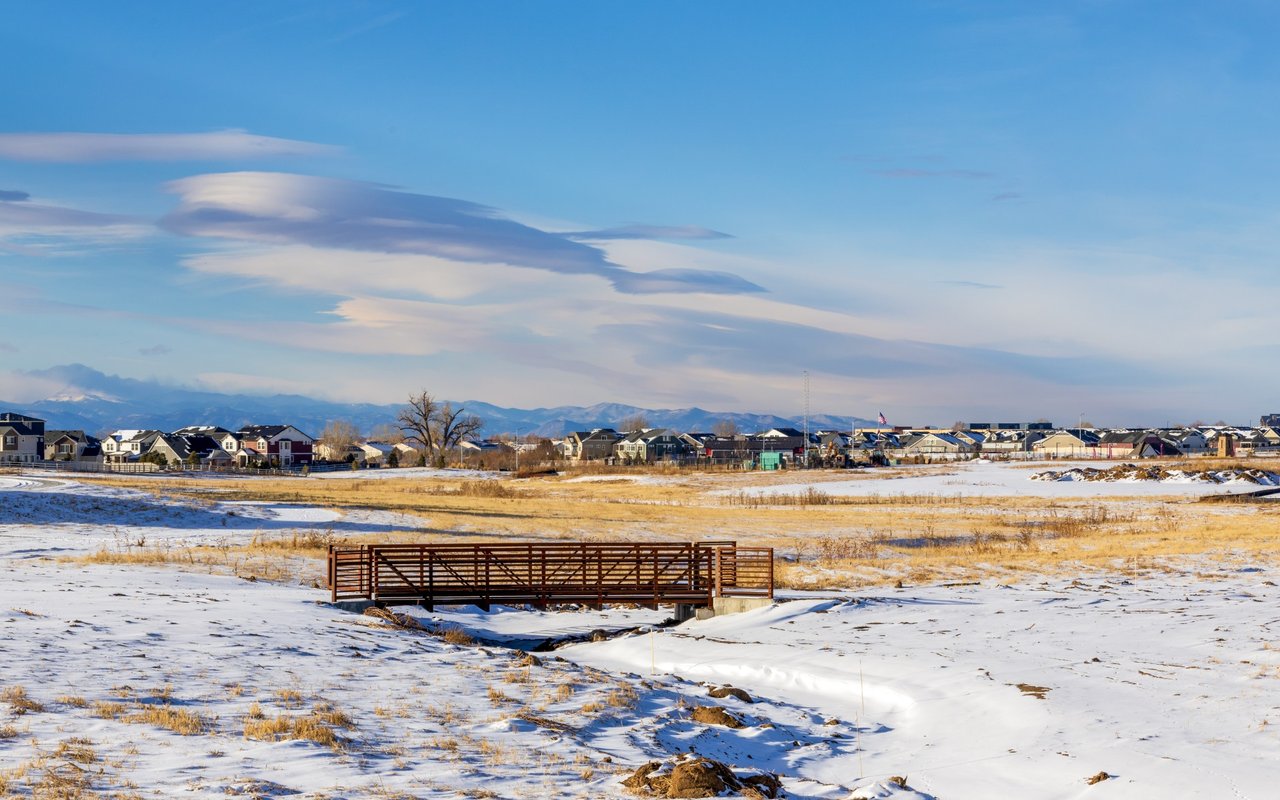
Picture your weekends at a sandy beach, a quick drive to the airport, and everyday errands just a few minutes away. If that sounds like your kind of suburban rhythm, southeast Aurora along E-470 might be a great fit. You likely want the convenience of newer neighborhoods, strong outdoor access, and reasonable commutes without giving up yard space. In this guide, you’ll learn how the area is laid out, how commuting works, where people play and shop, how schools and HOAs fit in, and how life here compares to nearby suburbs. Let’s dive in.
Where is southeast Aurora?
When locals say “southeast Aurora along E-470,” they mean neighborhoods on the eastern and southeastern edge of the city that sit near the E-470 toll beltway. Most of this area is inside Arapahoe County, which matters for property taxes and school boundaries. You’ll find a mix of master-planned communities, established 55+ options like Heather Gardens, newer infill pockets, and family-focused subdivisions.
Aurora spans multiple counties, and exact boundaries can change things like school assignment and permitting. The City of Aurora’s services and parks are consistent across the city, but county lines still impact taxes and paperwork. If you’re comparing homes, keep the address details handy so you can verify the district and tax specifics before you write an offer.
Getting around E-470
E-470 is a limited-access toll beltway that makes regional commuting easier, especially if you want to avoid central Denver traffic. The road is operated by the E-470 Public Highway Authority, and it uses all-electronic tolling. You’ll either have an ExpressToll account or pay via license plate billing, so factor tolls into your monthly budget if you plan to use the road daily.
Typical commutes vary by start point and the time of day. Many residents use E-470 for quick access north to Denver International Airport and south toward Parker, Lone Tree, and I-25. Off-peak, downtown Denver drives often fall in the 25 to 45 minute range depending on route and traffic. Airport trips are often 20 to 35 minutes from many E-470-adjacent neighborhoods, but conditions can stretch both ranges during rush hour or winter weather.
Public transit serves Aurora, though E-470 itself is not a rail corridor. The R Line light rail runs along the I-225 corridor, and buses connect major streets, park-and-rides, and shopping centers. You can explore routes and schedules through RTD’s official site to see if buses align with your commute.
Parks, trails, weekend fun
One of the biggest perks of southeast Aurora is the easy outdoor access. The Aurora Reservoir is a regional draw with boating, fishing, a sandy swim beach, and miles of trails. It’s a popular spot for morning runs, paddleboard afternoons, and family beach days close to home.
You’ll also find a web of neighborhood parks, playgrounds, and trail connections maintained by the city. For a broader view of open spaces and programs, browse Aurora Parks, Recreation & Open Space. Nearby to the west, Cherry Creek State Park adds even more trail miles and reservoir recreation. Many communities include their own pools, pocket parks, and clubhouses that make it easy to stay active without a long drive.
Shopping and dining are just as convenient. Southlands Shopping Center functions as a suburban “downtown” with grocery, retail, restaurants, and entertainment. Big-box stores and service centers line key arteries like Arapahoe Road, Parker Road, and Quincy Avenue, so daily errands stay simple.
Schools and childcare basics
School boundaries are hyper-local here, and they matter. Many E-470 corridor neighborhoods are in Aurora Public Schools, while others land in Cherry Creek School District depending on the exact address and county lines. Always verify school assignment by address using district tools at Aurora Public Schools and Cherry Creek School District.
If you are researching school performance or parent reviews, websites like GreatSchools.org can provide parent-oriented snapshots. Keep in mind that ratings and programs evolve, so it’s smart to contact the districts directly and visit schools. For childcare, you’ll find a mix of private daycare, preschools, and district-run programs. Availability varies, so it helps to start inquiries early and consider options near your work commute.
Homes and neighborhoods
You’ll see a range of housing styles along E-470, from starter-friendly townhomes to larger single-family homes and active-adult communities. Many master-planned neighborhoods offer pools, trails, and playgrounds. Lot sizes typically run larger than central Denver but smaller than rural parcels, and you’ll find both newer builds with modern floor plans and established areas with mature trees.
Popular southeast Aurora communities include Southshore, Tallyn’s Reach, Copperleaf, and the Conservatory, among others. You can also find new-construction pockets and infill phases where builders have added homes in the past 10 to 20 years. If a low-maintenance lifestyle is a priority, townhomes and paired homes are common choices.
HOAs are common in newer communities and master-planned neighborhoods. Dues and rules vary widely. Some cover landscaping, snow removal, or pool access, while others focus on architectural standards. Review HOA documents early so you understand fees and what they include. Property taxes also vary, and they can be influenced by county location and special districts. For property-specific details, consult the Arapahoe County assessor and tax notices tied to the address you’re considering.
How it compares nearby
Versus central Denver, southeast Aurora offers a more suburban footprint with larger yards, easier parking, and typically more new-build choices. Commutes to downtown can be longer, though E-470 helps with regional access.
Compared to Parker and Lone Tree, southeast Aurora can be more affordable and offers a wide mix of housing types. Many buyers see it as a sweet spot between price, amenities, and newer construction options.
Next to Centennial and other south suburbs, southeast Aurora feels similar in retail and park access. Deciding factors often come down to school boundaries, HOA offerings, and your preferred commute route.
Everyday conveniences
Daily living here is straightforward. Grocery stores, medical offices, fitness options, and casual dining cluster along major corridors, so you can keep errands close to home. Aurora also hosts major medical centers and the Anschutz Medical Campus to the north, which helps diversify local jobs and supports consistent housing demand across the city.
City services include libraries, community centers, trash and recycling, code enforcement, and parks maintenance. Internet options range from cable to fiber in newer subdivisions, but always confirm providers at the property level.
What to look for on tours
Use this quick checklist to focus your search:
- Commute and tolls: Test-drive your commute at peak times and consider the ongoing cost of E-470 tolls.
- School boundaries: Confirm assigned schools with district tools for each specific address.
- HOA rules and dues: Review documents for maintenance coverage, amenities, and design standards.
- Parks and play: Check how close the home is to neighborhood parks, trails, and the Aurora Reservoir.
- Property taxes: Look up tax history, mill levies, and any special districts tied to the property.
- Age and upkeep: Note roof age, mechanicals, and exterior condition, especially in established areas.
- Noise and orientation: Visit at different times to evaluate traffic noise, sun exposure, and wind.
Next steps
If southeast Aurora along E-470 matches your lifestyle goals, the next step is to tour a few neighborhoods and compare specific addresses. You’ll quickly see how school lines, taxes, and HOA features shift within a short drive and how that impacts your budget and daily routine. A neighborhood-savvy guide can help you weigh tradeoffs and move quickly when the right home hits the market.
If you want tailored guidance, new-build support, or a tour plan around the Aurora Reservoir, Southlands, and your commute, reach out to Heather Christensen. You’ll get hyperlocal insight and a calm, step-by-step path from first look to keys in hand.
FAQs
What is E-470 and how do tolls work in Aurora?
- E-470 is a limited-access toll beltway that circles the Denver metro’s outer edge. It uses all-electronic tolling through ExpressToll or license-plate billing, managed by the E-470 Public Highway Authority.
How long is the commute from southeast Aurora to DIA?
- Many E-470-adjacent neighborhoods see 20 to 35 minute drives in typical conditions, but timing varies with traffic, weather, and your exact start point; always test the route you plan to take.
Which school district serves homes along E-470 in Aurora?
- Boundaries vary by address, with many homes in Aurora Public Schools and others in Cherry Creek School District; verify the assignment for each specific property before you decide.
Are there parks and trails near southeast Aurora?
- Yes. The Aurora Reservoir offers a beach, boating, and trails, and the city maintains many neighborhood parks and paths listed through Aurora Parks, Recreation & Open Space.
What home types are common along E-470 in Aurora?
- You’ll find single-family homes, townhomes and paired homes, master-planned communities with amenities, active-adult options like Heather Gardens, and new-construction pockets built in the last 10 to 20 years.
How do HOAs and property taxes vary here?
- Many neighborhoods have HOAs with different dues and rules; review documents early to see what is included. Property taxes depend on county and special districts; confirm details with the Arapahoe County assessor and the property’s tax notice.
Is public transit an option if I live near E-470?
- RTD operates buses throughout Aurora and the R Line light rail along I-225; explore schedules and connections on the RTD website to see what fits your commute.