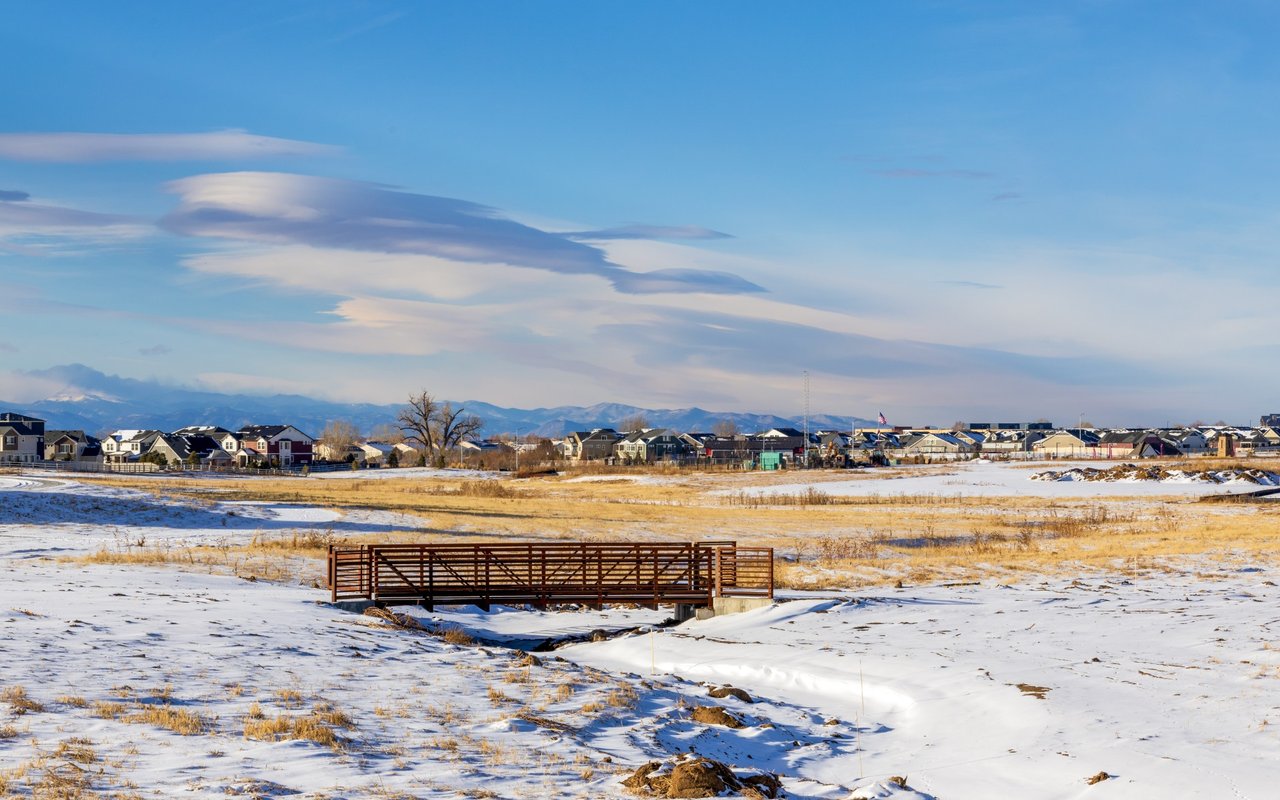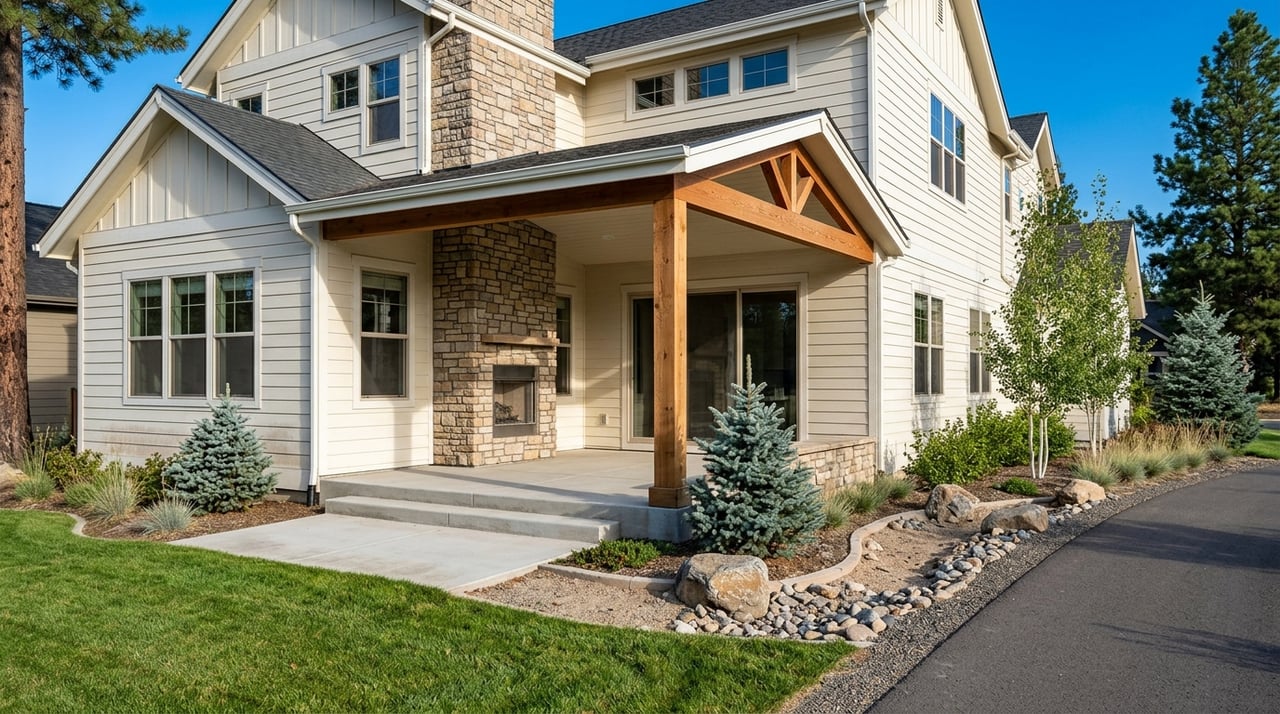
If you want a suburb where getting outside can be part of your everyday routine, Parker deserves a close look. Many buyers are not just searching for square footage or a newer kitchen. You may also want trails you can actually use, parks that feel nearby, and neighborhoods that make it easy to walk, bike, or unwind after work. This guide breaks down how Parker’s outdoor lifestyle connects to specific neighborhoods, so you can narrow your search with more confidence. Let’s dive in.
Why Parker Stands Out Outdoors
Parker sits about 20 miles southeast of Denver in Douglas County and has about 72,147 residents across 22.4 square miles as of January 1, 2026. The town lists more than 398 acres of town-owned and proposed parkland, 41 miles of concrete and soft-surface trails, 14 parks, and 1,144 acres of open space. That gives you a good sense of scale before you ever compare neighborhoods.
What makes Parker especially appealing is how the outdoor system is woven into daily life. Town planning materials describe parks, trails, bike lanes, and walkable neighborhoods as core community assets. Downtown is also described as a compact, pedestrian-oriented destination, which adds another layer of convenience for buyers who want more than a typical drive-everywhere setup.
Parker Trails That Shape Daily Life
When you tour Parker, it helps to think beyond a simple list of parks. The real value often comes from trail corridors that connect neighborhoods, recreation areas, and everyday destinations. If you want to leave from home and get moving without a long drive, these routes matter.
Cherry Creek Trail
Cherry Creek Trail is Parker’s biggest trail backbone. Parker Parks & Recreation says it runs about eight miles through town, stretching from Norton Farms Open Space in the north to Stroh Ranch Park in the south. For many buyers, this is the trail that makes regular biking, walking, and longer weekend loops realistic.
Sulphur Gulch Trail
Sulphur Gulch Trail is about 4.39 miles long and plays an important role near downtown. It connects to Cherry Creek Trail within Bar CCC Park, then continues east under Parker Road and along the south side of Mainstreet. Town planning materials describe it as the main bicycle path near downtown and a low-stress route from nearby neighborhoods into the town core.
Tallman Gulch Trail
Tallman Gulch Trail is one of Parker’s most neighborhood-focused corridors. It runs from Idyllwilde in the southeast part of town to Sulphur Gulch Trail at Stonehenge Way, passing Tallman Meadow Park and the historic Slemmer Barn. Several HOA-maintained subtrails also branch off this corridor, which can make nearby neighborhoods feel more connected on a daily basis.
Prairie Voice Loop
At the east end of Tallman Gulch Trail in Idyllwilde, the Prairie Voice Loop adds a different outdoor feel. This 1.8-mile native-surface loop is more natural in character than a standard paved connector. If you want a quieter route for trail walking or mountain biking close to home, this area may stand out.
Newlin Gulch and Baldwin Gulch
Newlin Gulch Trail connects the Lincoln Avenue and Jordan Road area to Cherry Creek Trail behind the Parker Recreation Center. It also links to neighborhood trails within Stonegate, which is valuable if you want repeatable short walks or bike rides right from your area.
Baldwin Gulch Trail is a smaller connector, but it still matters for neighborhood mobility. It runs from Lincoln Avenue between Parker Road and Pine Drive to Twenty Mile Road, giving east-central Parker another useful local route.
East/West Regional Trail
The East/West Regional Trail gives Parker a broader regional connection. Parker’s section links the town to Highlands Ranch, Castle Pines, and Lone Tree, with connections near places like Rueter-Hess Reservoir and the Cherry Creek Regional Trail. For buyers who like the idea of bigger ride options or long-distance trail access, this is a meaningful feature.
Best Parker Areas for Outdoor Access
Not every neighborhood in Parker delivers the same kind of outdoor experience. Some areas work best for walkability and trail convenience, while others offer a more regional or natural feel. Matching your routine to the right area can make your home search much more focused.
Downtown and Old Town Parker
If you want the most walkable setup, downtown and Old Town Parker are hard to ignore. Sulphur Gulch runs along the south side of downtown, and Bar CCC Park offers trailhead access and parking. Combined with the town’s pedestrian-oriented downtown planning, this area fits buyers who want a home base near both trails and Mainstreet activity.
Cottonwood and West Parker Road
Cottonwood benefits from being close to Preservation Park & Trailhead, just to the north. This trailhead includes parking, restrooms, a dog station, and a concrete connection to Cherry Creek Regional Trail. For everyday walks, dog outings, or bike rides, that kind of nearby access can be a real quality-of-life feature.
There is also a current Parker Road Sidewalk Gaps project that proposes a shared-use trail between the existing path near King Soopers Marketplace and Preservation Park on Valley Hi Drive. When completed, that should improve access on the west side.
Idyllwilde, Tallman, and Canterberry
This part of Parker stands out for neighborhood-scale trail use. Tallman Gulch Trail begins in Idyllwilde, Tallman Meadow Park connects by pedestrian bridge, and Sunset Crossing Trail provides access from Canterberry Parkway and nearby streets. Sulphur Gulch Trail also reaches several subdivision trail systems in areas including Rowley Downs, Hidden River, and Canterberry Crossing.
If your ideal routine is stepping outside for a quick walk, casual bike ride, or more natural-feeling trail loop, this corridor deserves strong consideration. It offers one of the clearest examples of Parker’s outdoor lifestyle being built into the neighborhood fabric.
Stroh Ranch and South Parker
South Parker has strong access to both parks and trail connections. Cherry Creek Trail ends at Stroh Ranch Park, and Stroh Ranch Soccer Fields also have trail access to Cherry Creek Regional Trail. That gives this area a practical mix of recreation space and bike utility.
The Stroh Road improvements project is also adding new connections to Cherry Creek Trail and the new Lemon Gulch Trail, with completion expected in October 2026. That means access in this part of town is still improving.
Stonegate and Lincoln-Jordan
Stonegate and the Lincoln-Jordan area are especially relevant if you value neighborhood connectors over destination-style recreation. Newlin Gulch Trail links this area to Cherry Creek Trail behind the recreation center and ties into neighborhood trails within Stonegate. For many buyers, that kind of close-to-home access is what actually gets used most often.
Southeast Parker and Rueter-Hess Area
The southeast edge of Parker has a more regional outdoor feel. The East/West Regional Trail connects Parker to neighboring south-metro communities, and Parker’s master plan identifies future connections from Tanterra and Looking Glass toward Rueter-Hess and the wider east-west trail system. If you like the idea of broader exploration and evolving connectivity, this area is worth watching.
A Few Outdoor Details Buyers Should Know
Parker’s outdoor appeal is real, but it is smart to look closely at the exact block-by-block connection before you buy. The town’s Bike and Pedestrian Master Plan notes that Parker Vista currently does not have a direct pedestrian path to Sulphur Gulch Trail. That is a helpful reminder that two homes in the same town can offer very different daily access.
If you have a dog, Parker offers strong amenities with simple rules. Pets must be leashed on town parks and trails except within designated dog parks. The USMC CPL David M. Sonka Dog Park is a five-acre off-leash space south of E-470 along Cherry Creek Trail, with shade structures, drinking fountains, a small-dog area, and an agility course.
If biking is part of your routine, Parker also has clear micromobility guidance. Class 1 and Class 2 e-bikes are allowed on town trails, sidewalks, and roadways, while Class 3 e-bikes are not allowed on trails. The town also states that its trail network is intended for cyclists, walkers, joggers, and equestrians, reinforcing the multi-use nature of the system.
Parker’s Trail System Is Still Growing
One of the most encouraging parts of Parker’s outdoor story is that it is not standing still. Parker’s Trail Ambassadors program monitors the town’s 60-plus miles of trails, and current capital projects are improving connections in areas like Dransfeldt Road, Stroh Road, and the Parker Road sidewalk gaps area. For buyers, that means some access points may become even more useful over time.
If you are comparing neighborhoods in Parker, the biggest question is often not whether the town has outdoor amenities. It does. The better question is which neighborhood gives you the kind of access you will actually use on a Tuesday evening, a quick morning walk, or a weekend ride.
If you want help narrowing down Parker neighborhoods based on how you like to live day to day, Heather Christensen can help you compare locations, access points, and home options with a local, practical lens.
FAQs
What makes Parker, Colorado appealing for an outdoor lifestyle?
- Parker offers more than 398 acres of town-owned and proposed parkland, 41 miles of concrete and soft-surface trails, 14 parks, and 1,144 acres of open space, with many neighborhoods connected to everyday trail corridors.
Which Parker neighborhoods have the best trail access?
- Downtown and Old Town Parker, Cottonwood, Idyllwilde, Canterberry, Stroh Ranch, and Stonegate each stand out for different types of trail access, from walkable downtown connections to neighborhood-based gulch trails and regional routes.
Is Downtown Parker walkable for buyers who like trails?
- Yes. Downtown Parker is the town’s most pedestrian-oriented area, and Sulphur Gulch Trail runs along the south side of downtown with access through Bar CCC Park.
Are Parker trails good for biking and e-bikes?
- Yes. Parker’s trail network is intended for cyclists, walkers, joggers, and equestrians, and the town allows Class 1 and Class 2 e-bikes on trails, sidewalks, and roadways, while Class 3 e-bikes are not allowed on trails.
Are there dog-friendly outdoor amenities in Parker?
- Yes. Dogs are allowed on town parks and trails when leashed, and the USMC CPL David M. Sonka Dog Park offers a five-acre off-leash area with amenities including shade structures, fountains, a small-dog area, and an agility course.
Do all Parker neighborhoods connect equally well to trails?
- No. Parker has a strong trail network, but access varies by neighborhood and even by specific location, so it is important to evaluate how directly a home connects to the trails you plan to use most often.