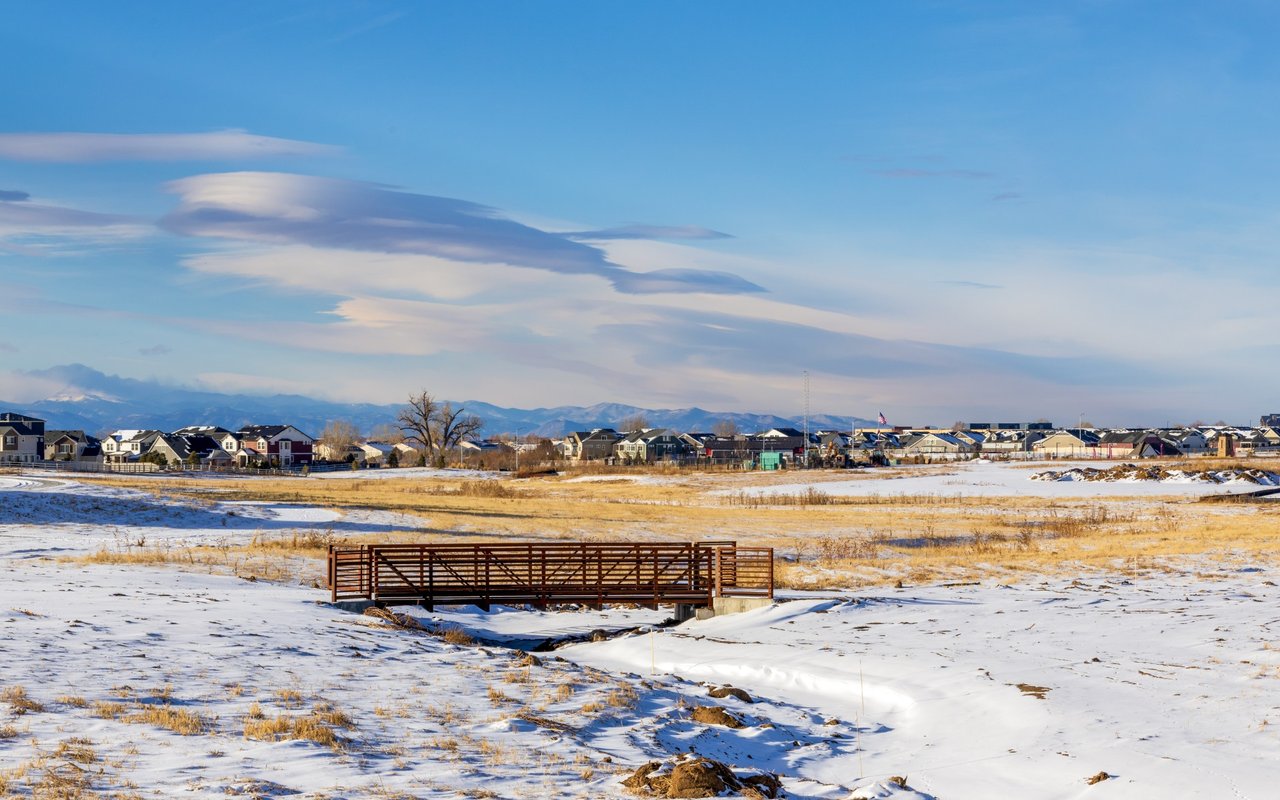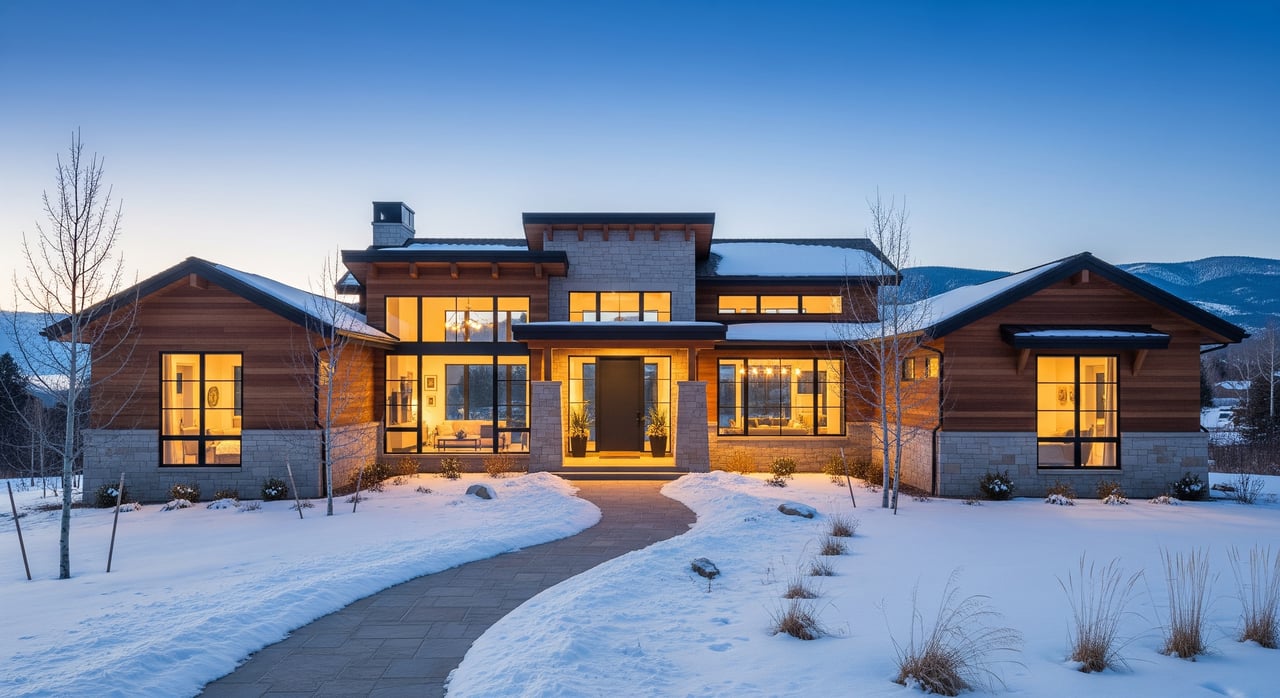
Thinking about selling in the colder months and wondering how to price your Aurora home so it actually moves? You are not alone. Winter brings fewer showings and more price sensitivity, which can make even great homes sit if the launch plan is off. In this guide, you will get a simple winter pricing strategy, a realistic timeline, and neighborhood‑specific tips for Southshore, Tallyn’s Reach, and Copperleaf. Let’s dive in.
Why winter pricing is different in Aurora
Winter typically means fewer active buyers and longer days on market. The buyers who are shopping now are often serious, like job transfers or people who have been searching for months. They focus on value, condition, and maintenance.
In southeast Aurora, access to I‑225 and E‑470, proximity to the Denver Tech Center, and community amenities influence outcomes. Weather plays a role too. Short daylight and snow affect curb appeal and showing frequency, so accurate pricing and polished presentation matter even more.
Know your numbers before you list
Ask your agent to pull hyperlocal data for your specific pocket. Seasonality sets the tone, but your price should reflect current supply and demand within 1 to 3 miles of your home.
Key numbers to request and review:
- Active inventory and months of supply for your exact neighborhood
- Median and average days on market for similar homes
- List‑to‑sale price ratio for recent sales nearby
- Price per square foot ranges for closed and active listings
These metrics help you decide whether to price aggressively for a fast sale, aim for market value with typical exposure time, or plan for a longer runway.
Build a winter valuation the right way
A strong pre‑listing valuation blends very recent sales with what is currently pending and active. In winter, yesterday’s data weighs more than last summer’s peaks.
What to include in your CMA:
- Closed sales from the last 30 to 90 days in your subdivision or an adjacent, like‑for‑like pocket
- Pending sales that signal what buyers are currently agreeing to pay
- Active listings that represent your competition and price bands buyers will compare
Adjust for the details that move value in South Aurora. Finished square feet, finished basements, lot size and orientation, level of updates in kitchens and baths, roof and HVAC age, and parking all matter. Account for seasonal differences too, like landscaping that will not show as well in winter photos.
Run sensitivity scenarios so you see the tradeoffs:
- Aggressive price for quick offers
- Market price for typical exposure time
- Conservative price if you expect longer days on market
Pick the right pricing tactic
Your goal is to show up in the right buyer searches and create enough urgency to avoid low first offers.
Options to consider:
- Market‑priced: List at a number supported by comps so you appear in the main search bands buyers are using right now.
- Just under a threshold: Pricing like 499,900 rather than 500,000 can increase visibility, but only if it aligns with your net proceeds.
- Test the market with guardrails: If you want to test higher, define metrics in advance. For example, if you have no showings or no offers within 7 to 14 days, plan one well‑timed price adjustment rather than multiple small cuts.
Set your negotiation plan before going live
Decide your must‑haves and nice‑to‑haves now, not when an offer arrives.
- Define your minimum acceptable net proceeds and your ideal timing for closing and possession. If you need a short lease‑back or flexible move‑out, note that.
- Decide which concessions you are willing to make. Examples: a limited seller credit for repairs, paying a standard HOA transfer fee, or agreeing to the buyer’s title company.
- Consider a pre‑listing inspection and share receipts for servicing major systems. Documentation reduces buyer leverage on condition and can speed up negotiations.
- Use offer deadlines strategically. A 48 to 72 hour response window can help, but only if you anticipate several showings in the first weekend.
- Be ready for escalation clauses and appraisal questions. If local list‑to‑sale ratios are tight, appraisal gap strategies may be less necessary. If they are wider, you may want a plan for appraisal risk.
Prep and presentation that support price
Winter buyers judge homes on warmth, efficiency, and maintenance. Your prep checklist should remove doubts and make showings easy and safe.
Safety and systems checklist:
- Service the furnace, water heater, and major appliances. Save and share the receipts.
- Check the roof, gutters, and downspouts. Reduce ice dam risks by clearing gutters when possible.
- Insulate exposed pipes and verify a dry basement or sump pump function.
- Keep walks, steps, and the driveway clear of snow and ice. Line up dependable snow removal before showings.
- Replace exterior bulbs and test all entry and walkway lights.
Interior staging and media:
- Emphasize warmth with a consistent, comfortable thermostat setting, neutral throws, area rugs, and warm‑tone lighting.
- Schedule professional photos in mid‑day light. Plan exterior shots after snow removal, with clear walks and a clean entry.
- Add a 3D tour or virtual walkthrough. Buyers do more online screening in winter, and strong media often leads to better in‑person traffic.
- Highlight updates and maintenance. A smart thermostat, new furnace filters, or recent roof work should be noted in the description and photo captions.
Timing your launch for winter
A simple, clear timeline keeps everyone aligned and helps you pivot quickly if the market speaks.
Suggested plan:
- Pre‑listing prep, 1 to 3 weeks: inspections or servicing, staging, professional photos, HOA document collection, and marketing copy.
- Days 1 to 7 live: listing published with full photo set and 3D tour, targeted outreach to buyer agent networks, and weekend showing blocks to maximize early activity.
- First review at 7 to 14 days: study showings per week, online views and saves, feedback themes, and any new comps. If showings and online traffic are low, consider a price or media refresh. If showings are healthy but offers are not coming, consider a price tune or a specific seller credit for buyer concerns.
- Offer response times: set clear expectations for 24 to 48 hour responses and whether you will use an offer deadline on opening weekend.
Neighborhood notes: Southshore, Tallyn’s Reach, Copperleaf
These South Aurora communities share a focus on amenities and convenience, which you can market even in winter.
What to highlight:
- Access to I‑225, E‑470, and DIA for commuters
- Community amenities like lakes, parks, maintained trails, and clubhouses that many buyers value year‑round
- Common features that influence price locally, including finished basements, attached garages, updated interiors, and low‑maintenance yards
- HOA details. Share monthly fees, what they include, and any transfer fees or assessments up front to reduce friction.
Pricing tips by pocket:
- Use comps from your exact subdivision, plan, or builder series when possible. Small differences in finish level or square footage can shift price bands in these neighborhoods.
- If your home backs to open space or a trail, showcase that advantage with clear winter photos and a map callout in the description.
- If you have energy‑efficient upgrades or newer mechanicals, surface those early to counter winter concerns about operating costs.
What to track once you are live
Set simple metrics and a decision cadence so you are never guessing.
Watch weekly:
- Showings per week and showing feedback themes
- Online views, saves, and inquiries
- Days on market versus similar active and pending homes nearby
- New comps that close or go pending and how they compare to your price and condition
If showings are low, refine exposure and price. If showings are strong but offers are light, update presentation or adjust terms like a targeted seller credit to address common feedback.
Next steps
If you are planning a winter sale in Southshore, Tallyn’s Reach, or Copperleaf, the right pricing and launch plan can help you protect your time and your bottom line. A neighborhood‑focused CMA, clear negotiation rules, and strong winter‑ready presentation will set you up to capture the motivated buyers who are out right now.
Want a custom price range with scenarios and a winter launch timeline tailored to your home and pocket? Reach out to Heather Christensen for a local consultation that fits your goals and timing. You can connect with Heather Christensen to get started.
FAQs
What should I expect for days on market when selling an Aurora home in winter?
- Expect slower foot traffic and a longer time to contract than spring, which is why accurate pricing and strong presentation are essential.
How do I decide my winter list price for a South Aurora home?
- Use very recent comps from your exact neighborhood, factor in pending sales and active competition, then pick a tactic that aligns with your net proceeds goals.
Are pre‑listing inspections worth it for winter listings in Aurora?
- Yes. Sharing inspection findings and service receipts reduces repair surprises and gives buyers confidence about condition and operating costs.
Should I price just under a round number like 500,000?
- Sometimes. Pricing just under a search threshold can boost visibility, but only use it if it supports your target net and fits your comp range.
What concessions are typical for Southshore, Tallyn’s Reach, and Copperleaf?
- Common items include standard HOA transfer fees or a modest credit for repairs. Decide limits in advance and disclose HOA details early to prevent delays.