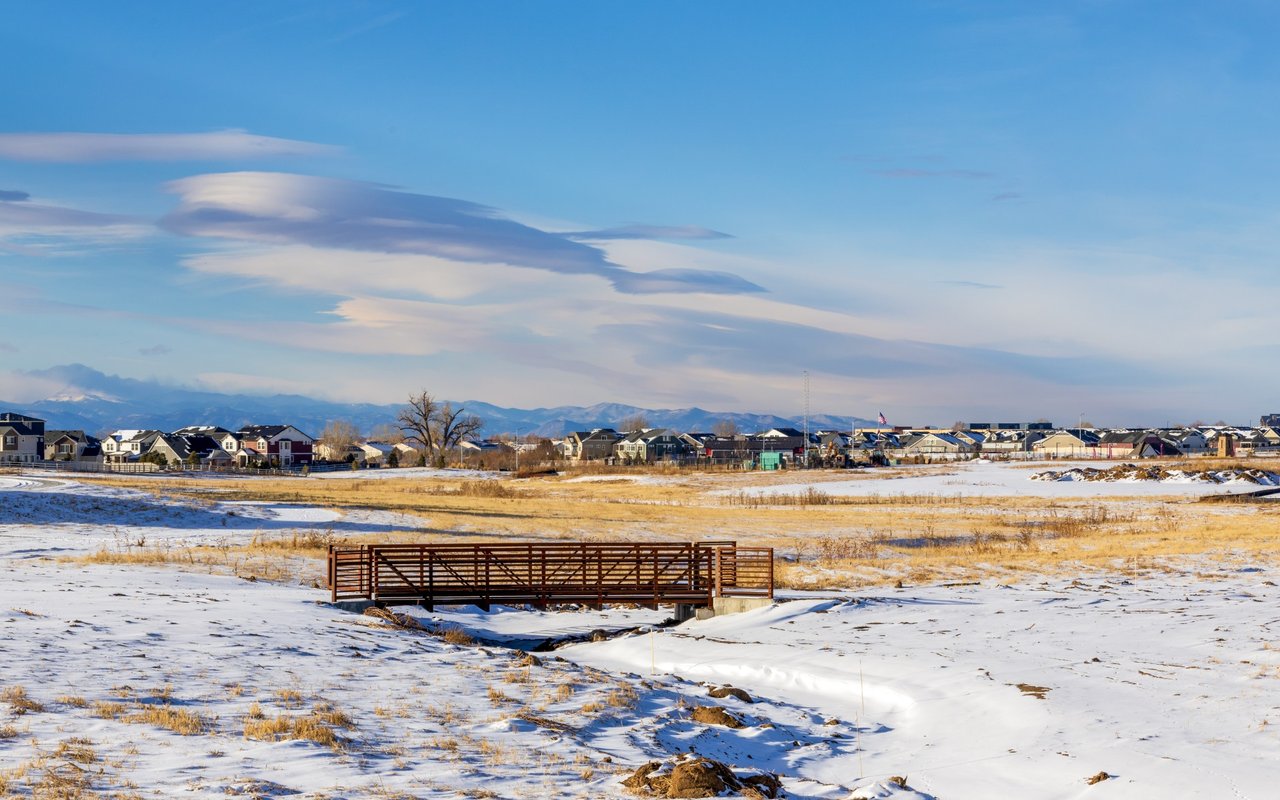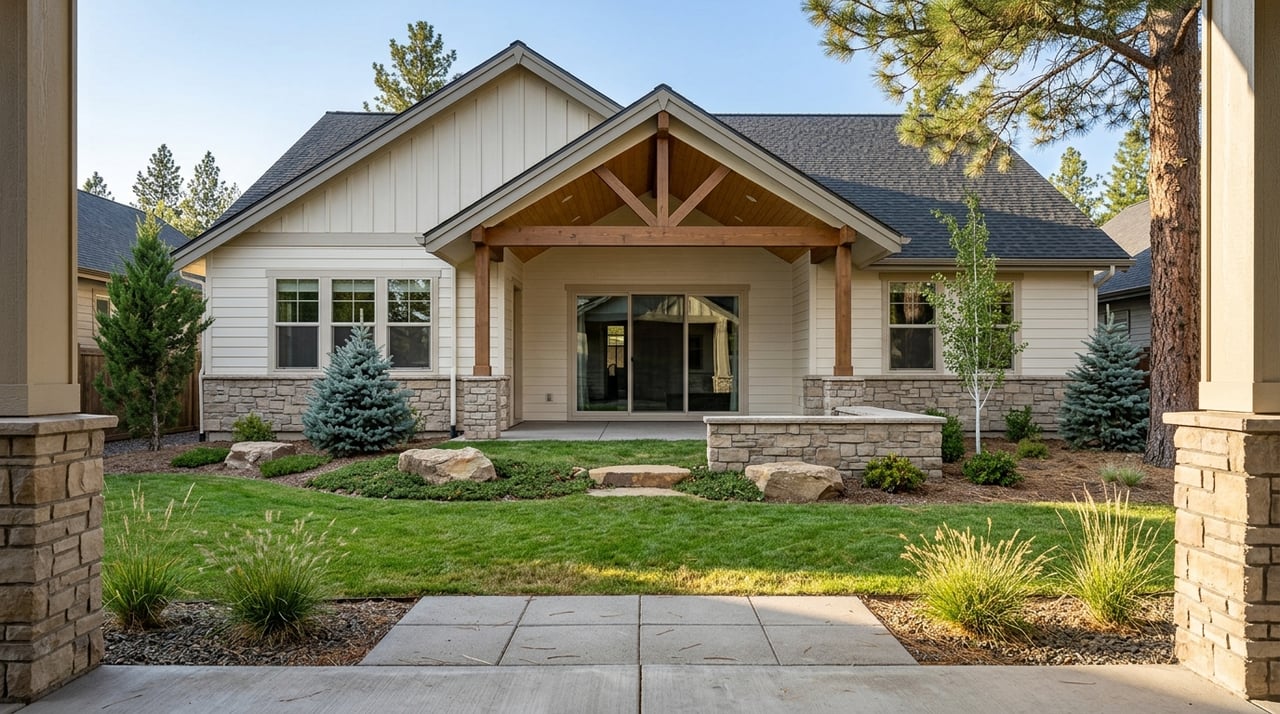
If you want a Denver-area suburb that still feels like its own town, Castle Rock often stands out fast. You may be looking for more space, easier access to trails, or a community with a real downtown instead of rows of rooftops and retail alone. The good news is that Castle Rock offers a mix of historic character, newer neighborhoods, and everyday convenience that appeals to many buyers and relocators. Here’s what it’s actually like to live there.
Castle Rock's Overall Feel
Castle Rock is a growing town in Douglas County with an estimated population of 83,213 as of July 1, 2024, according to the U.S. Census Bureau. Even with that growth, the town continues to present itself as a place with small-town character and a distinct identity south of Denver.
That balance matters when you are deciding where to live. Castle Rock is connected to the broader metro area, but it does not feel like an extension of Denver in the same way some suburbs do. The town’s long-term vision emphasizes staying physically freestanding while preserving its local character and open space.
Daily Life in Castle Rock
For many residents, daily life centers on a combination of convenience and community. Castle Rock is the Douglas County seat, and it is home to county and school-district headquarters, so it has an established civic presence in addition to residential growth.
You also get a practical rhythm for day-to-day living. Census data shows that the mean travel time to work is 28.6 minutes, which gives you a helpful snapshot if you are comparing commutes across the south metro area. About 26.1% of residents are under 18, which also points to a town with a strong family household presence.
Downtown Castle Rock
One of the biggest differences between Castle Rock and many suburban communities is its downtown. The town traces Downtown Castle Rock back to the 1870s and describes it as the heart of local life.
Downtown is where you will find locally owned restaurants, shops, and recurring community events. It also includes three historic buildings listed on the National Register of Historic Places, which adds a sense of place that many newer suburbs do not have.
Shopping and Errands
Castle Rock also offers convenient retail beyond downtown. The Outlets at Castle Rock are a major shopping anchor, with brands like Nike Factory Store, Coach Outlet, Columbia Factory Store, lululemon, and Arc’teryx.
For everyday living, that means you can handle errands, shopping, and casual outings without heading far from home. The outlet center also offers free parking in its open-air lots, which adds to the ease factor for residents and visitors alike.
Events and Community Energy
If you are wondering whether Castle Rock feels sleepy or active, the event calendar helps answer that. The town highlights annual traditions such as Starlighting, ArtFest, Winefest, Oktoberfest, the Classic Rock Cruise-In Car Show, and the Douglas County Fair and Rodeo.
That event lineup gives Castle Rock a more connected, community-centered feel. Instead of functioning only as a commuter suburb, it offers recurring reasons for residents to spend time locally and gather throughout the year.
Outdoor Access Is a Major Draw
Outdoor access is one of Castle Rock’s defining lifestyle features. According to the town’s 2025 parks and trails guide, Castle Rock manages 104 miles of trails, 25 parks, and more than 4,000 acres of open space.
When local partners are included, residents have access to more than 130 miles of trails, over 60 parks, and more than 6,900 acres of open space. That is a meaningful part of daily life if you want easy options for walking, biking, or simply spending time outdoors close to home.
Trails in Everyday Neighborhood Life
In Castle Rock, trails are not just a weekend bonus. In many areas, they are built into the neighborhood pattern and connect homes to parks, open space, and local recreation.
For example, The Meadows includes open-space trails that connect to Butterfield Park, Paintbrush Park, the Ridgeline system, and East Plum Creek Trail. In northeast Castle Rock, Cobblestone Ranch is part of a larger open-space plan with Macanta that creates a 680-acre recreation area. You can also see continued growth in southern Castle Rock, where the Crystal Valley Interchange project is designed to improve access to nearby neighborhoods and future development.
Housing Options Across Castle Rock
Castle Rock is not a one-style housing market. The town’s neighborhood map includes more than 150 areas, with housing that ranges from older homes near the center of town to newer construction in a variety of styles and settings.
That variety is helpful if you are trying to match your home search to your lifestyle. You may want a home closer to the historic core, a newer planned neighborhood with trail access, or a property in a part of town that is still evolving.
What the Numbers Suggest
Castle Rock leans strongly owner-occupied. Census data shows that 78.8% of housing is owner-occupied, the median owner-occupied home value is $652,900, and median gross rent is $2,000.
Those numbers point to a market that is more ownership-focused than renter-focused. If you are buying, it is also a reminder to compare homes not just by list price, but by monthly carrying costs and neighborhood structure.
Metro Districts Matter
In some newer Castle Rock neighborhoods, metro districts are part of the ownership picture. The town explains that metro districts are separate taxing entities created to fund infrastructure and public improvements.
That does not automatically make one neighborhood better or worse than another, but it does mean you should compare total costs carefully. Looking at taxes, fees, and district-related expenses alongside the purchase price gives you a clearer picture of affordability.
Schools and Public Education Options
For buyers who want to understand public education options, Castle Rock is served by Douglas County School District. The district lists two main feeder systems in Castle Rock: Castle View High School and Douglas County High School.
The district also notes a broad mix of options and services, including preschool, honors and AP coursework, concurrent enrollment, career and technical education, gifted and talented programming, special education, and before- and after-school programs. Douglas County School District says it serves 61,000 students and is Colorado’s third-largest school district.
Who Castle Rock Often Fits Best
Castle Rock tends to appeal to buyers who want a suburban setting with more visible identity than a typical master-planned community alone. If you like the idea of newer neighborhoods, trail access, public-school options, and a location south of Denver, this town often checks a lot of boxes.
It can also be a strong fit if you want access to the metro area without living in a denser urban environment. Compared with some nearby options, Castle Rock stands out for its historic downtown presence and extensive trail and open-space system.
Castle Rock Pros and Considerations
Every move comes with tradeoffs, so it helps to look at Castle Rock through a practical lens.
Potential advantages
- Historic downtown with local restaurants, shops, and community events
- Extensive trail network, parks, and open space
- Wide range of neighborhoods and housing styles
- Strong owner-occupied housing profile
- Public school options through Douglas County School District
- South-of-Denver location with metro access
Things to evaluate closely
- Home prices and overall monthly carrying costs
- Metro district taxes in some newer communities
- Commute expectations based on your workplace and schedule
- Neighborhood differences across a town with more than 150 areas
- Whether you prefer an established area or a newer part of town still developing
Final Thoughts on Living in Castle Rock
Living in Castle Rock often means getting more than just a suburban address. You get a town with a historic core, a strong outdoor lifestyle, an active local calendar, and a wide range of neighborhoods that can suit different stages of life.
If you are comparing Castle Rock with Parker, Aurora, or other south-metro communities, the details really matter. The right fit often comes down to your commute, budget, preferred neighborhood style, and how much value you place on trails, open space, and a true downtown feel. If you want help sorting through Castle Rock neighborhoods or comparing them to other Denver-area options, Heather Christensen can help you make a confident move.
FAQs
What is daily life like in Castle Rock, Colorado?
- Daily life in Castle Rock blends suburban convenience with a more local-town feel, thanks to its historic downtown, major retail options, community events, and access to parks and trails.
What makes Castle Rock different from other Denver-area suburbs?
- Castle Rock stands out for its historic downtown, strong emphasis on small-town character, and large trail and open-space system while still being connected to the Denver metro area.
What types of homes can you find in Castle Rock?
- Castle Rock has a wide mix of housing, including older homes near the town center and newer construction across many neighborhoods and planned communities.
What should buyers know about Castle Rock metro districts?
- In some newer Castle Rock neighborhoods, metro districts help fund infrastructure and public improvements, so buyers should compare total monthly costs and taxes by subdivision.
What outdoor amenities are available in Castle Rock?
- Castle Rock offers extensive outdoor access, including 104 miles of town-managed trails, 25 parks, and more than 4,000 acres of open space, with even more access available through local partners.
What school district serves Castle Rock, Colorado?
- Castle Rock is served by Douglas County School District, which includes Castle View High School and Douglas County High School feeder systems along with a range of academic and support programs.
Is Castle Rock a good fit for Denver-area relocation buyers?
- Castle Rock can be a strong fit for relocation buyers who want a suburban setting, public-school options, outdoor access, and a location south of Denver with a distinct local identity.